
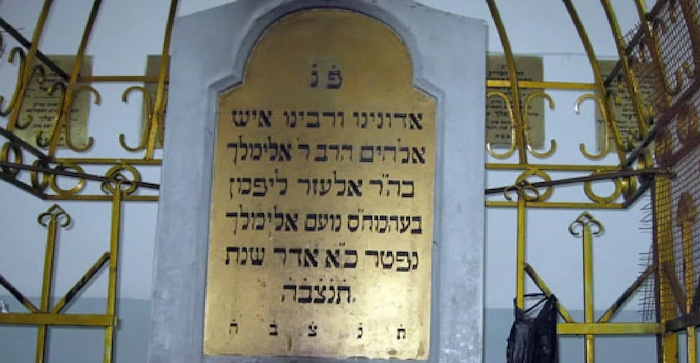
In occasione dell’incontro organizzativo del progetto europeo “Three Different Cultures. One Common Way for Tolerance” che vede impegnata la Fondazione Giuseppe Levi Pelloni insieme a partners della Polonia e della Turchia
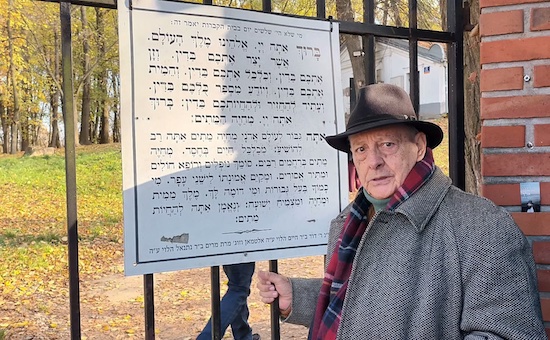
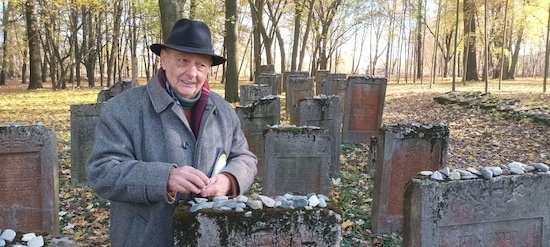
Pino Pelloni, Paola Sonnino, Ilana Di Castro e Amital Jeremias sono andati, in rappresentanza della Fondazione Giuseppe Levi Pelloni insieme ai partners di Polonia e di Turchia, in visita alla tomba dello tzadik Elimelech nel cimitero di Lezajsk. L’occasione è stata dettata dalla partecipazione ad un progetto europeo dedicato alle tre religioni monoteiste. La tomba del rabbino Elimelech è tuttora una meravigliosa segulah (rimedio spirituale e timore di D-o) e luogo di grande pellegrinaggio.
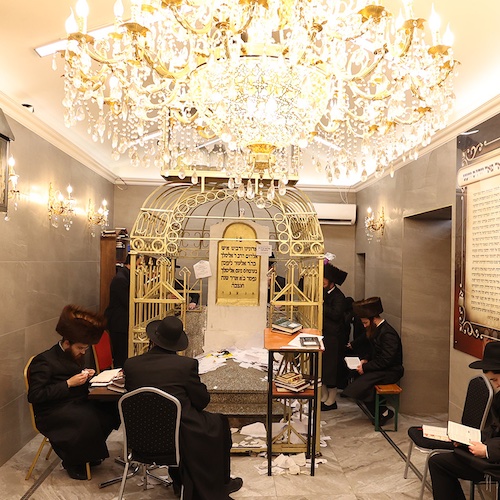
Da ogni angolo del mondo, gli ebrei si recano a pregare presso la sua tomba nel giorno della sua morte, traendone forza e ispirazione. La sua incredibile promessa che “chiunque visiti la sua tomba non morirà senza aver ricevuto la teshuvah” (pentimento) attira decine di migliaia di chassidim, giovani e anziani, che realizzano così il loro desiderio, coltivato per anni, di meritare la visita alla tomba del rabbino Elimelech di Lizhensk (in yiddish).
Dopo la sua morte, il suo sacro tziyun (tomba) si trasformò in un luogo dotato di grandi poteri di segulah, e nel corso dei secoli molte persone si recarono a Lizhensk, in particolare prima di Rosh Hashanah e nel giorno del suo yartzheit (anniversario), il 21 di Adar. Centocinquanta anni fa, il cohen Shlomo di Radomsk incoraggiò le persone a recarsi proprio a Lizhensk, predisponendo un luogo speciale per i kohanim. Con l’inizio della Shoah e dello sterminio degli ebrei polacchi, pochi ebrei riuscirono a raggiungere Lizhensk.
Pino Pelloni ha tenuto nel cimitero una lezione dedicata al tema del lutto nell’ebraismo ai partecipanti Alina e Piotr Stadnik, Ozan Yilmaz, Hatice Dursun, Selim Evren Turhan, Ozge Bakay e ad alcuni visitatori del luogo sacro. Il prossimo appuntamento del progetto sarà ad Antalia in Turchia nel mese di maggio per un confronto con la religione e la cultura islamica.
CHI ERA RABBI ELIMELECH?
Lo Tzadik, Rabbi Elimelech Weisblum di Lizhensk zt’l, nacque nel 5417 (1717), nello shtetl di Titkin, in Polonia, e morì il 21 Adar 5547 (1787) a Lizhensk.
Figlio del rabbino Eliezer Lipman e sua moglie Miroush, ricchi mercanti di una piccola città, noti per la loro pietà e carità. Dei loro sette figli, due raggiunsero grande fama nel mondo del chassidismo: il rabbino Meshulam Zusha di Anipoli e il rabbino Elimelech di Lizhensk. Fin da giovani, i due fratelli si dedicarono allo studio della Torah, sia nella sua forma rivelata che in quella mistica, in particolare agli insegnamenti cabalistici dell’Ari (Rabbi Yitzchak Luria, 1534-1572).
Per diversi anni si autoesiliarono, vagando di città in città diffondendo la Torah e ispirando le persone a cambiare vita. I fratelli furono attratti dal crescente movimento chassidico, diventando discepoli eminenti del Maggid di Mezritch.
Il rabbino Elimelech divenne una delle figure di spicco del chassidismo. Sviluppò l’idea di porre la personalità dello tzaddik al centro dell’esistenza di un chassid; credeva che lo tzadik, l’uomo giusto e realizzato, avesse la missione di “dare vita a tutti i mondi in virtù della sua anima divina”. Questo concetto è espresso nel suo libro “Noam Elimelech” , una delle opere principali sul chassidismo
Il modo di fare speciale del rabbino Elimelech – con il suo puro timore di Dio, la sua incomparabile modestia e la sua completa devozione a ogni singolo ebreo – creò intorno a lui un fervente chassidismo, influenzando profondamente ogni individuo e l’intera comunità.
Tra i suoi allievi figuravano personalità di spicco come il Chozeh (veggente) di Lublino, il Maggid di Koznitz, Rabbi Menachem Mendel di Rymanov, Rabbi Avraham Yehoshua Heshel di Apta, Rabbi Naftali Tzvi di Ropshitz, Rabbi Moshe Leib di Sassov e Rabbi Klonymos Kalman Epstein, noto come il Maor VaShemesh. Uomo di impareggiabile grandezza, fu ammirato dai suoi discepoli e lo è stato dai chassidim nel corso dei secoli.
Rabbi Elimelech lasciò tre figli giusti, Rabbi Elazar di Lizhensk, Rabbi Lipa Eliezer di Chemelnick, Rabbi Yaakov di Maglanitza e due figlie giuste, Esther Etil e Mirish.
“Per cinquecento anni prima della sua nascita, il mondo si è nutrito del suo merito: le due tavole di pietra e le sue dieci dita erano come i dieci comandamenti!”, disse di lui il Rebbe di Ruzhin zt’l.
Moltissimi chassidim hanno assorbito da lui la sua pura via, hanno ricevuto consigli e guida, benedizioni per la buona salute e la salvezza, ma soprattutto hanno trovato un modo per redimersi e fare teshuvah, crescendo e traendo ispirazione spirituale.
Per diversi anni si autoesiliarono, vagando di città in città diffondendo la Torah e ispirando le persone a cambiare vita. I fratelli furono attratti dal crescente movimento chassidico , diventando discepoli eminenti del Maggid di Mezritch.
[ENGLISH VERSION]
A Visit to the Tomb of Rabbi Elimelech in Leżajsk
During the organisational meeting of the European project “Three Different Cultures. One Common Way for Tolerance”, involving the Fondazione Giuseppe Levi Pelloni and partners from Poland and Türkiye
For several years, they undertook a period of self-imposed exile, travelling from town to town, spreading the teachings of the Torah and inspiring people to change their lives. The brothers were drawn to the growing Hasidic movement and became prominent disciples of the Maggid of Mezritch.
Rabbi Elimelech became one of the leading figures of Hasidism. He developed the idea that the personality of the tzaddik should occupy a central place in the life of a Hasid. He believed that the tzaddik—the righteous and spiritually accomplished person—had a mission “to give life to all worlds through the power of his divine soul”. This idea is set out in his book Noam Elimelech, one of the major works of Hasidic literature.
Rabbi Elimelech’s distinctive way of life—marked by his pure reverence for God, incomparable modesty and complete devotion to every single Jew—gave rise to a fervent Hasidic following around him. His influence reached deeply into the lives of individuals and the community as a whole.
Among his disciples were prominent figures such as the Chozeh (Seer) of Lublin, the Maggid of Koznitz, Rabbi Menachem Mendel of Rymanov, Rabbi Avraham Yehoshua Heshel of Apta, Rabbi Naftali Tzvi of Ropshitz, Rabbi Moshe Leib of Sassov and Rabbi Klonymos Kalman Epstein, known as the Maor VaShemesh. A man of unparalleled spiritual stature, he was admired by his disciples and has continued to be revered by Hasidim throughout the centuries.
Rabbi Elimelech left behind three righteous sons—Rabbi Elazar of Lizhensk, Rabbi Lipa Eliezer of Chemelnick and Rabbi Yaakov of Maglanitza—and two righteous daughters, Esther Etil and Mirish.
“For five hundred years before his birth, the world was sustained by his merit: the two tablets of stone and his ten fingers were like the Ten Commandments!” said the Rebbe of Ruzhin, of blessed memory (zt”l), of him.
Countless Hasidim have embraced his pure spiritual path, sought his advice and guidance, and received blessings for good health and deliverance. Above all, they have found a way to seek redemption and do teshuvah, growing spiritually and drawing inspiration from his example.
For several years, they undertook a period of self-imposed exile, travelling from town to town, spreading the teachings of the Torah and inspiring people to change their lives. The brothers were drawn to the growing Hasidic movement and became prominent disciples of the Maggid of Mezritch.