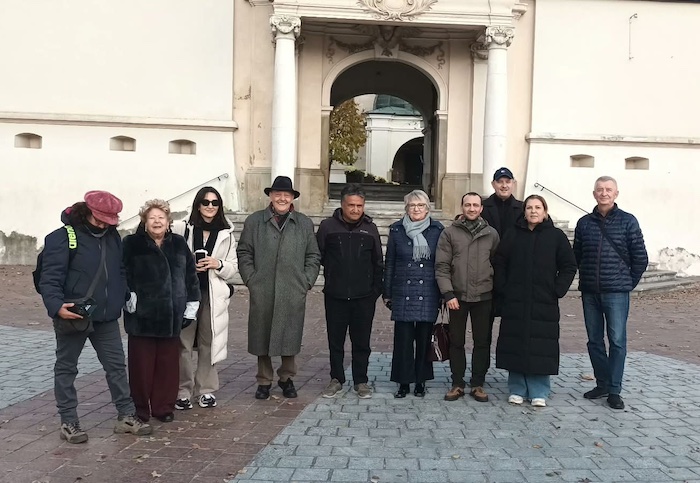
Per il progetto europeo “Three Different Cultures. One Common Way for Tolerance” in visita prima al Monastero Bernardino, centro di spiritualità cristiana, storia e patrimonio culturale di Lezajsk, a seguire al cimitero che ospita le spoglie di Rabbi Elimelech e poi al Museo ebraico di Markova.
Giovedì 5 novembre appuntamento nei pressi della duecentesca cittadina di Leżajsk per conoscere il locale patrimonio cristiano della Basilica francescana-Monastero Bernardino, in ricordo di San Bernardo da Chiaravalle.
Un solerte frate guida ha raccontato la nascita del Monastero raggiunto ogni anno da migliaia di pellegrini. Oggi centro di devozione di gran parte della Polonia e dedicato alla Madonna di cui si racconta un avventuroso miracolo.
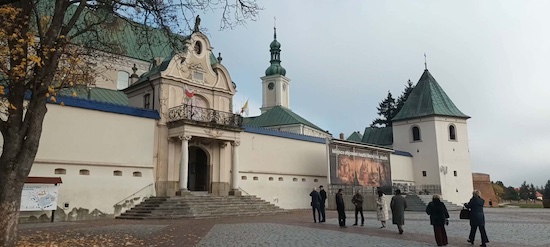
C’è un punto preciso, ove un tempo sorgeva un grande bosco, nel luogo in cui è apparsa la Madonna e colà, per rispettare un suo pio desiderio, è stata costruita la prima piccola chiesetta con la collaborazione di un falegname locale. Poi, si racconta di un crocefisso di piccole dimensioni risalente all’epoca della prima costruzione, successivamente trafugato, che fu salvato dalle fiamme e poi successivamente ritrovato e riportato a nuova vita devozionale del Papa Giovanni Paolo II nel 1986.
La basilica ha degli interni Barocco e Rococò, tipici di questa zona e delle costruzioni caratteristiche della Russia, è stata edificata dall’architetto italiano Pellacini tra il 1618 e il 1628 e la sua costruzione è durata dieci lunghi anni, per essere poi rinnovata negli anni a venire.
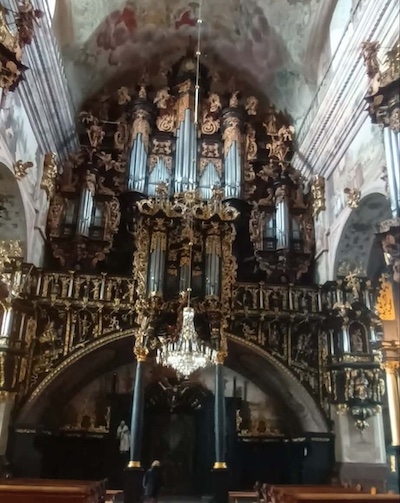
L’organo, che troneggia imponente al pari dell’altare maggiore, è una vera peculiarità polacca, finito di costruire nel 1703 ed in seguito accresciuto da 5.000/6.000 canne di cui alcune di legno di bambù, di notevole lunghezza. L’intero complesso è costituito da tre organi separati che possono essere suonati da tre organisti contemporaneamente.
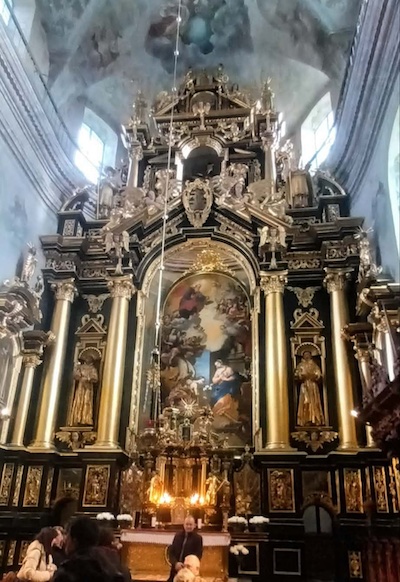
In una cappella laterale c’è un quadro miracoloso della Madonna della Consolazione a cui si attribuiscono vari interventi a favore dei devoti. Interessanti le mura difensive e tre torri fortificate del 1600 che in parte hanno retto al tentativo svedese di mettere il luogo a ferro e fuoco.
All’interno vi è sempre vissuta una confraternita religiosa, di francescani che si occupa del mantenimento del luogo e ancora oggi si possono vedere lungo i corridoi, al primo piano, gli stipiti delle porte delle loro stanze di legno intarsiato, simili a quelli del refettorio ancora in uso.
C’è una ampia cucina e una serie di scranni in legno dove i francescani si riuniscono e pregano.
Le pareti sono affrescate con episodi della Genesi e della vita di San Francesco, ai lati di una porta d’ingresso ogivale, c’è un affresco con la figura di re David e dall’altra parte quella di re Salomone.
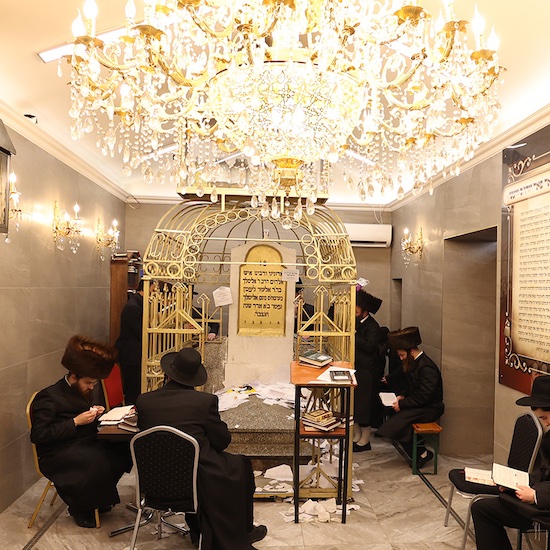
È seguita la visita di studio al Cimitero Ebraico e all’Ohel (Mausoleo) del Tzadik Elimelech, dove ci si è concentrati sulla storia del Chassidismo, le tradizioni ebraiche e sul paese di Leżajsk come centro di pellegrinaggio chassidico di fama mondiale, così come sulla convivenza storica tra comunità ebraiche e cristiane.
Lo Tzadik Rebbe Elimelech (1717/1787), è stato uno dei fondatori del Chassidismo ebraico, tipico dell’Europa Orientale e ben rappresentato da quadri e vetrate di Chagal. Ogni anno, nella ricorrenza della sua morte, il 21 del mese ebraico di Adar, corrispondente al 24 marzo, si riuniscono qui i Chassidim da tutto il mondo, per pregare, e la sera si cibano abbondantemente e bevono in allegria.
Dagli inizi del 1500 fino all’avvento della seconda guerra mondiale e dell’Olocausto, a Leżajsk vi fu una significativa presenza ebraica. Dopo le espulsioni degli ebrei dalla Spagna nel 1492, molti ebrei finirono a Leżajsk. Secondo il censimento del 1764, la comunità contava 909 persone, e all’inizio del XX secolo, nella comunità vivevano 1.700 ebrei. Tra le due guerre mondiali, a Leżajsk vivevano 4.500 ebrei.
Quando la Germania nazista invase Leżajsk nel settembre del 1939, quasi tutti gli ebrei della città furono portati nella zona occupata dai sovietici, dove furono poi massacrati dagli Einsatzgruppen .
Il cimitero ebraico costituito ancora da alcune pietre irregolari è sormontato spesso da alcuni sassi in quanto secondo la ritualistica ebraica, mentre i fiori sono soggetti a deperire facilmente, la pietra è perenne, mantiene il ricordo di chi in quel luogo è morto e di coloro che lo vanno a trovare e contemporaneamente la pietra permette di ricoprire il luogo dove qualcuno è sepolto, impedendo agli animali località di devastarlo.
Commovente la visita educativa, già fatta l’anno passato dalla nostra Fondazione, al Museo della Famiglia Ulma che ha salvato, perdendo la vita, una famigia ebrea durante la Seconda Guerra Mondiale nella loro cascina a Markowa, oggi diventata un modernissimo Museo interattivo.
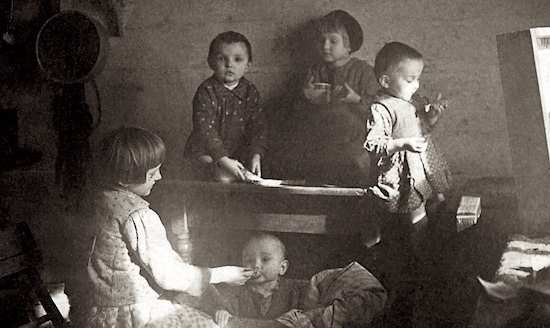
Joseph, il marito, artigiano del legno e dotato di altre qualità, insieme alla moglie incinta e ai sei figli di varie età furono uccisi dai tedeschi in seguito ad una spiata, perché avevano voluto salvare da una retata ed ospitare una famiglia ebrea amica e vicina di casa, i Goldman. Non si salvò nessuno di loro, e nel museo vi sono le fotografie dei singoli componenti e di alcune riunioni di famiglia con i vicini, ma soprattutto gli oggetti che Joseph, capofamiglia, aveva creato con le sue mani: i letti della camera da letto, lo studio, gli oggetti di lavoro, ma anche in una teca, due apparecchi fotografici dell’epoca, alcune fotografie ed altri oggetti legati alla sua vita vissuta. È un luogo questo che non solo per il modo in cui fa scorrere la vicenda di questa famiglia, ma anche per la sua forma, angolare e ristretta, ricorda praticamente quello che loro hanno sofferto e patito in nome della solidarietà e della vicinanza verso l’altro.
Dopo la visione di questo luogo si può comprendere quanto prussiani e tedeschi abbiano sempre avuto come valori negativi: nazionalismo, superiorità militare, non considerazione dell’altro, egoismo, egocentrismo. Ci si augura che questi disvalori siano oggi meno evidenti e che il rispetto dell’altro in tutte le sue specificità si sia col tempo e con la storia più rafforzato in loro.
ENGLISH VERSION
Three Polish Stops in Search of Christian and Jewish Cultural Heritage
A visit organised as part of the European project “Three Different Cultures. One Common Way for Tolerance”: first to the Bernardine Monastery, a centre of Christian spirituality, history and cultural heritage in Leżajsk; then to the cemetery where Rabbi Elimelech is buried; and finally to the Jewish Museum in Markowa.
On Thursday 5 November, we will be meeting near the 13th-century town of Leżajsk to explore the local Christian heritage of the Franciscan Basilica and Bernardine Monastery, in memory of St Bernard of Clairvaux.
A dedicated friar guided the group through the history of the monastery, which welcomes thousands of pilgrims every year. Today, it is a major centre of devotion for Catholics from across Poland and is dedicated to the Virgin Mary, whose story is linked to a remarkable miracle.
There is a particular spot where, long ago, a great forest stood. It was there that the Virgin Mary is said to have appeared. In fulfilment of her pious wish, a small chapel was built on the site with the help of a local carpenter. The story also tells of a small crucifix dating back to the original chapel. After being stolen, it was reportedly saved from a fire, later found again and restored to devotional use by Pope John Paul II in 1986.
The basilica features Baroque and Rococo interiors, characteristic of the region and of the architectural traditions described by the local guide. It was built by the Italian architect Pellacini between 1618 and 1628. Construction took ten long years, and the building was subsequently renovated on several occasions.
The organ, which stands as impressively as the high altar, is a distinctive feature of Polish religious architecture. Completed in 1703, it was later enlarged to include between 5,000 and 6,000 pipes, some made of bamboo wood and reaching considerable lengths. The entire instrument consists of three separate organs, which can be played simultaneously by three organists.
In a side chapel hangs a miraculous painting of Our Lady of Consolation, to whom various interventions on behalf of the faithful are attributed. The defensive walls and three fortified towers, dating from the 17th century, are also noteworthy; parts of the complex withstood a Swedish attempt to lay the site waste.
A religious brotherhood of Franciscans has always lived within the complex, caring for its upkeep. Along the first-floor corridors, visitors can still see the intricately inlaid wooden doorframes of the friars’ rooms, similar to those in the refectory, which remains in use. There is a large kitchen and a series of wooden benches where the Franciscans gather to meet and pray.
The walls are decorated with frescoes depicting episodes from Genesis and the life of St Francis. On either side of an ogival entrance doorway are frescoes portraying King David on one side and King Solomon on the other.
The next stop was a study visit to the Jewish Cemetery and the ohel (mausoleum) of the tzadik Elimelech. The group explored the history of Hasidism and Jewish traditions, as well as Leżajsk’s standing as a world-renowned centre of Hasidic pilgrimage. The visit also provided an opportunity to reflect on the long history of coexistence between Jewish and Christian communities.
The tzadik Rebbe Elimelech (1717–1787) was one of the founders of Jewish Hasidism, a movement rooted in Eastern Europe and often represented in the paintings and stained-glass works of Marc Chagall. Every year, on the anniversary of his death—the 21st day of the Hebrew month of Adar, which corresponds to 24 March—Hasidim from around the world gather here to pray. In the evening, they share abundant food and drink and celebrate together.
From the early 16th century until the outbreak of the Second World War and the Holocaust, Leżajsk had a significant Jewish population. Following the expulsion of the Jews from Spain in 1492, many Jewish families eventually settled in Leżajsk. According to the 1764 census, the community numbered 909 people; by the beginning of the 20th century, it had grown to 1,700. Between the two world wars, 4,500 Jews lived in the town.
When Nazi Germany invaded Leżajsk in September 1939, almost all the town’s Jews were deported to the area occupied by the Soviet Union, where they were later murdered by the Einsatzgruppen.
The Jewish cemetery, where a number of irregularly shaped gravestones still remain, is often marked by small stones placed on the graves. According to Jewish tradition, flowers fade quickly, whereas stone endures: it keeps alive the memory of the person buried there and of those who come to visit. Stones also help cover and protect the burial place, preventing animals from disturbing it.
The final stop was a moving educational visit to the Ulma Family Museum in Markowa, which our Foundation had also visited the previous year. The museum commemorates a family who sheltered a Jewish family during the Second World War and paid for that act of courage with their lives. Their farmhouse has now been transformed into a state-of-the-art interactive museum.
Józef Ulma, a skilled woodworker with many other talents, his pregnant wife and their six children, ranging in age, were murdered by the Germans after someone informed on them. Their crime was to have sheltered their neighbours and friends, the Goldman family, helping them escape a Nazi roundup. None of the Ulmas survived. The museum displays photographs of each family member and pictures of family gatherings with their neighbours. Above all, it preserves objects made by Józef with his own hands: the bedroom furniture, his workshop and tools, as well as two period cameras, photographs and other objects connected with his life, displayed in a case.
The museum is deeply affecting not only because of the way it recounts the story of the Ulma family, but also because of its angular, confined layout, which evokes something of the suffering they endured in the name of solidarity and compassion for others.
Leaving this place, one is struck by the destructive values that have so often been associated with Prussian and German history: nationalism, military superiority, disregard for others, selfishness and egocentrism. One can only hope that these negative values are less evident today, and that the lessons of history have helped strengthen respect for others and for all their differences.